Back again, this time with weekly updates as usual. Thanks to those that inspired me to stop being lazy and get writing
So, the whispers of a recession are getting louder in the media and Tesco’s announcement that they lost business over the festive period hasn’t been helpful at all. But Aldi and Lidl made profits!, surely not. Well, according to Kenneth it’s only Tesco that didn’t make money in December even Sainsbury’s made money. Why?, well it’s all about clarity of message to the customer, Sainsbury’s are not shy about their prices being a little higher than the rest, they justify it by suggesting that their food is of the highest quality and as such customer are comfortable paying more. Lidl and Aldi on the other hand are also very clear about their offer to customers, low prices and unfamiliar brands. So at these supermarkets there is no confusion for customers, they know exactly what they will get for their money and they problem for Tesco is simple. What do they stand for? Not price because Asda wins that hands down, not quality because Sainsbury’s wins that battle as well. To sum it all up for the first time many customers had no reason to go to Tesco, those with a little extra money went for better quality at Sainsbury’s while those with less money went for quantity at Aldi and Lidl.
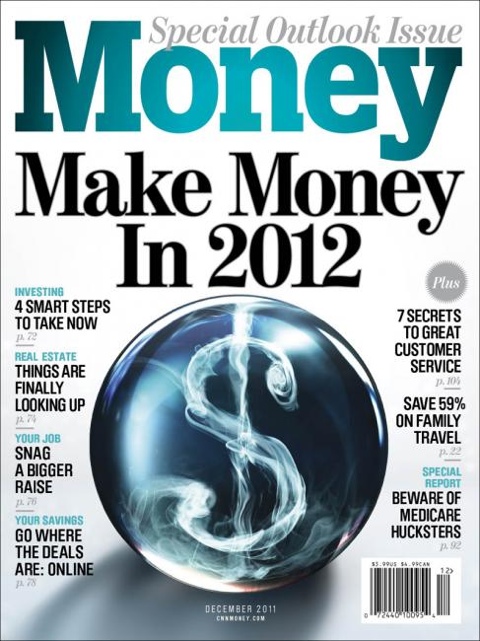
Going back to the topic, where is the money in 2012?, I think it will all be about cash, those with cash and other moveable assets will make the most gains this year. Cash or liquidity will give entrepreneurs opportunities to react first and fast. Investing in immovable assets does nothing except tie up your cash and opportunities that come from being liquid. Houses are cheap for a reason at the moment, they are hard to dispose of when you need cash and the low prices are a sign of desperate people trying liquidate their assets.
Movable assets like cash are more useful in a recession because, as you all know, money is good anyway in the worlds so if the economy in the UK continues to shrink you can take your money elsewhere and grow it there. I am developing model for farming without the limitations of owning a farm based on this same understanding. If I can move my farming technology or machinery at a moment’s notice I can get away from drought regions to where the rain is every season. Obviously having movable farming infrastructure will need ready cash and farms available to rent, which shouldn’t be a problem based on observations from my last visit to Zimbabwe. Land redistribution gave farms to people with cash problems, the can’t farm with no cash, Windmill is only selling fertilizer on cash basis and so are the seed companies. Cash is king in these situations.
So, remember to keep you cash ready for use, trade is fast turn around high yield commodities like gold, diamonds, grain and production inputs but only on cash basis because with the current low interest rates financing is not paying much and it ties up your liquidity!
Arsenal plays United following two away defeats, I feel a win coming!! Have a great weekend!!
 Taf Masiye
I agree with the comments you made about needing cash because cash is king anyway on planet earth ! but how about me? a simple man with no cash how do I make money with the training and and ideas I have. In a Increasingly difficult economic environment, to have to buy equitment is already a big ask for, and I would be hard pressed to come up with money needed to buy even one shovel, so if you ask me where the money is I would bet my last dollar on technology, a lot of opensource apps you can intergrate to offer offer services or compliment those that are already there, the internet has the potential of bein able to make you raise money very fast while you sleep and after raising the first lumpsum then can you start thinking of investing in capital goods. I think we are agreeing here the only difference is our starting point.
As for the consumer market with an all time low in employment and savings drying up, it is the stores that work hard at providing value (whether this value is perceived or real is something that the respective marketing and advertising depts need to work.)
I think its all about positioning yourself within your means. There is always something to do, start small and build up. Do an assessment of your unique skills or competences and find a gap in the market for that unique skill or competence. In Zim today there is a death of customer facing skills and trainers to equip those already working in those roles. Consider setting up a training company, it doesn’t require much investment but a lot of leg work to get customers.
I feel if you take that first step to working for yourself, be committed and deliver on your promise to the customer your reputation will grow. A good reputation will establish you as the go to person for frontline skills training or whatever you do.
I seriously believe that skills training is on place that has stagnated more than any other sector in the Zim economy, everywhere you go you have to be prepared to put up with poor service, inadequate service or if it’s the passport office, intermittent service without real justification for the interruption.
Get creative and find your niche!