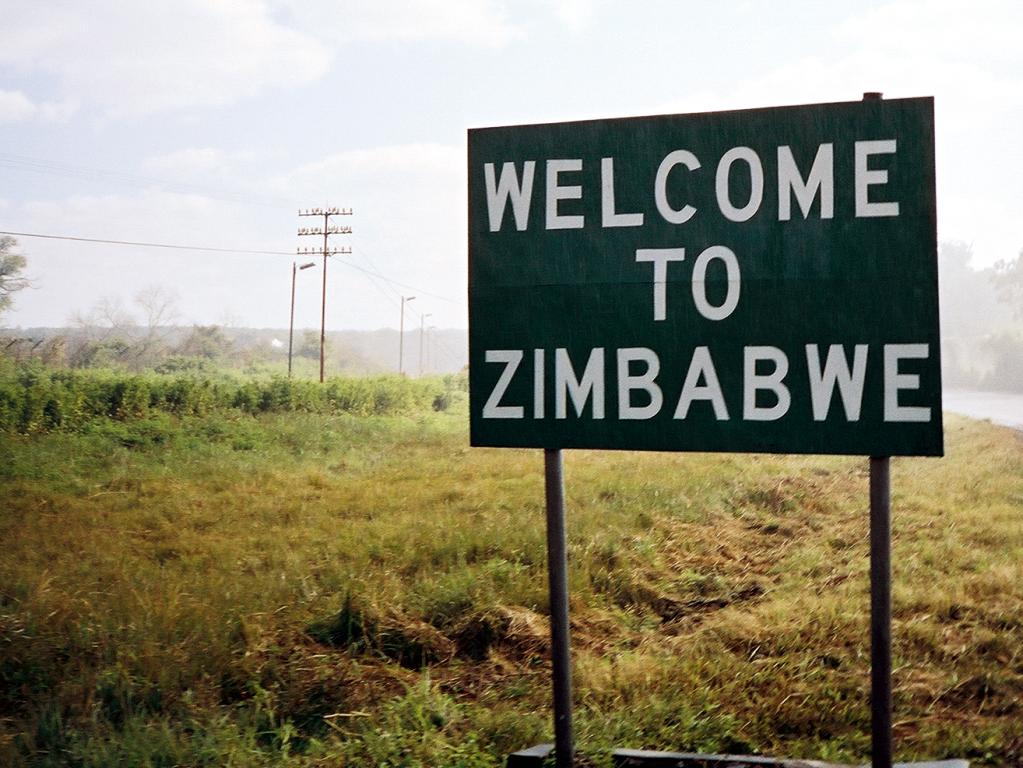
 The right honorable Minister of Tourism in Zimbabwe thinks the solution to revitalising the tourism industry and re-establishing Zimbabwe’s presence in the international tourism market is “Tourism Engineering” Really? He goes on to define this process as follows “Tourism engineering takes a broad, long-term perspective, while focusing on details and identifying the potential that the country has,”
I wish we would stop inventing new names for a critical process that must be carried out urgently, it is simply a matter of asking ourselves three questions as far as Zimbabwe Tourism is concerned “Where are we positioned in minds of the customer as a tourist destination?, Where do we want to be positioned? and how do we get there?” I worked 5 years in Zimbabwean Tourism during its glory days of the late 90s, there was pride and excitement in working in the industry, we kept at pace with developments in customer service, marketing and promotion as well as our international competitors. We won recognition and awards from our peers but more importantly we had a recognisable brand.
Sadly today I personally feel we were left behind in the first part of the last decade. I have regularly attended international tourism marketing events and the state of tourism marketing in Zimbabwe at the these events gives a worrying insight into the state of the industry at home. There is no excitement and belief in the product they are selling. The stand itself is a reflection of a lack of ambition especially if presentation is considered against our immediate rivals and those further afield. Year on year we turn up at the World Travel Market (WTM) underprepared and without conviction of what we want to achieve. I personally feel the companies that attend do so out of formality, the tourism attache to the UK also contributeS to this sorry state of affairs by pretending that the market is excited by what she and the exhibitors are doing. Numbers don’t lie, show us the direct impact of participating at WTM through an increase in tourist arrivals or future bookings.
The solutions is not Tourism Engineering RHM Mzembi, it is being honest about what needs to be done and putting together a strategy to do so, the tourism industry was one of the hardest hit in terms of the post 2000 brain drain that decimated Zimbabwe because we had transferrable skills to work anywhere in the world, we had the right training, enthusiasm and belief in our contribution to tourism which made us employeable around the world. So first off, what has been done to replace these skills, Mr Mzembi? Tourism training must take place, bring back exprienced practinioners into the planning process so they can contribute to the development of up to date training that equips those working on the tourism frontline with skills to serve today’s customer in facilities that meet the expectations of today’s customer. Invest in training, bring in exhiled tourism practitioners to foster a new belief and excitement in Zimbabwe Tourism
Secondly, do we really know how the market feels about Zimbabwe, Mr Mzembi? While we train tourism workers, let us go into the markets and ask the customers, agents, wholesalers et al., what do they think of when when they here about Zimbabwe and going there on holiday, what do they know about Zimbabwe? Do their perceptions match with what we would like our customers think about us? Only when we are able to answer these question will we be able to start marketing to the world because we will be able to bridge the gap between expectation and reality on both sides. We will be in a position to speak a language our market understands in formats that are accessible to all of them. Only then can we start to constructiely build a brand that represents us in the way we would like the market to feel about us because through expansive market research we would have collected information that help to bridge the gap between perception and reality. Regardless of how we feel internally about Zimbabwe, tourism thrives on the arrivals of tourist from foreign markets and it is how “THEY” feel about us that determines whether they come or not, which is why knowing their feelings, worries and expectations must form the base of all our tourism strategiec planning.
Lastly, some food for thought, “What is Zimbabwe’s brand image, how has it evolved and is it up to the time, today’s time?”
Here is the article that inspired my thoughts today –

 Taf Masiye